Italy Self-Guided Tours: A Comprehensive Plan
Embark on an unforgettable Italian adventure! This guide details planning a flexible‚ cost-effective trip‚ utilizing trains and exploring history-rich cities like Venice and Rome.
Italy beckons with open arms for independent exploration! Self-guided travel offers unparalleled freedom to curate your dream Italian escape‚ moving at your own pace and delving into passions. Forget rigid schedules; embrace spontaneous discoveries in vibrant cities and charming countryside.
This approach empowers you to prioritize history‚ like your family’s interests‚ and allocate funds to meaningful experiences. Italy’s excellent rail system facilitates seamless city-to-city journeys‚ while local transport unlocks hidden gems. Consider supplementing your adventure with audio guides or apps for deeper insights into iconic attractions.
Planning is key‚ but the rewards – a truly personalized and memorable Italian journey – are immeasurable.
Is Self-Guided Right for You? (vs. Guided Tours)
Self-guided travel thrives on independence‚ but isn’t for everyone. If you crave complete control over your itinerary and enjoy the thrill of discovery‚ it’s ideal. However‚ guided tours offer structure and expert insights‚ potentially saving you research time.
Small group tours strike a balance‚ offering some freedom while reducing costs compared to private guides. While guided options can sometimes be surprisingly affordable‚ self-guided allows budget allocation to preferred experiences. Consider your comfort level with logistics and language barriers.
Ultimately‚ the “best” approach depends on your travel style and priorities.
Budget Considerations: Self-Guided vs. Guided
Budgeting for Italy requires careful consideration. Self-guided tours often appear cheaper initially‚ but hidden costs like attraction tickets and transportation add up. Guided tours bundle these expenses‚ offering price predictability. However‚ self-guided allows flexibility to choose affordable accommodations – apartments or agriturismos – and dining options.
Research indicates guided tours can sometimes be surprisingly competitive in price. Italy Trails guarantees best prices and offers matching if you find lower rates. Prioritize experiences; self-guided lets you allocate funds accordingly‚ avoiding overhead from tour operators.
Key Destinations for a Self-Guided Italy Trip

Italy boasts incredible destinations perfect for independent exploration. Venice‚ with its canals and islands‚ demands leisurely wandering. Florence‚ the heart of the Renaissance‚ offers historical immersion. Tuscany‚ including Siena‚ provides rural charm and delightful day trips. Rome‚ a captivating blend of ancient history and modern life‚ requires ample time.
Consider alternatives like Lucca instead of Pisa‚ accessible from Florence via bus. These cities offer unique experiences‚ easily navigated at your own pace‚ allowing for deeper cultural engagement and personalized itineraries.
4.1 Venice: Canals‚ Culture‚ and Islands
Venice is best explored without rigid schedules‚ allowing for spontaneous gondola rides and getting lost in its labyrinthine streets. Don’t miss Murano‚ famed for glassblowing‚ and Burano‚ known for its colorful houses. Pre-booking attraction tickets is crucial to avoid long queues.
Consider a historical walking tour to delve into Venice’s rich past. Audio guides enhance the experience at major sites. Embrace the unique atmosphere and enjoy the freedom of discovering hidden gems at your own rhythm.

4.2 Florence: Renaissance History and Architecture
Florence demands exploration of its Renaissance heritage. Prioritize the Uffizi Gallery and Accademia – pre-purchasing tickets is essential! Consider an audio guide for a deeper understanding of masterpieces. Explore the Duomo and climb Giotto’s Campanile for panoramic views.
A Renaissance history-focused walking tour unveils Florence’s artistic and political evolution. Guided e-bike tours offer a different perspective. Embrace the city’s charm‚ savor Tuscan cuisine‚ and enjoy the freedom of independent discovery.
4.3 Siena & Tuscany: Day Trips and Rural Charm
Siena‚ a captivating medieval city‚ is ideal as a day trip from Florence. Explore Piazza del Campo‚ the heart of Siena‚ and delve into its rich history. Tuscany beckons with rolling hills and charming agriturismos – consider staying in one for an authentic rural experience.
Beyond Siena‚ explore smaller Tuscan towns. While Pisa is accessible‚ Lucca offers a more rewarding experience. Embrace the slower pace of life‚ savor local wines‚ and enjoy the picturesque landscapes.
4.4 Rome: Ancient History and Modern Life
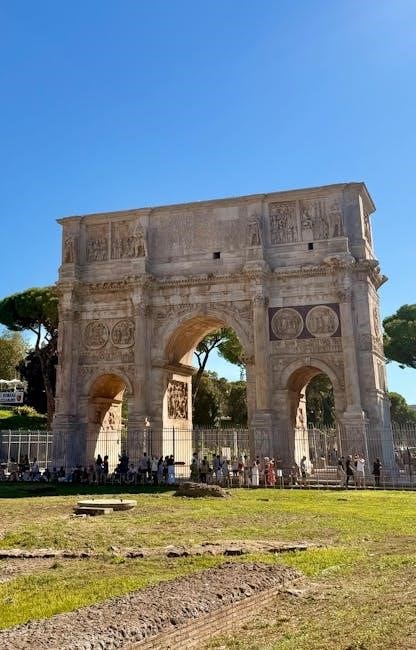
Rome seamlessly blends ancient wonders with vibrant modern life. Explore the Colosseum‚ Roman Forum‚ and Palatine Hill‚ immersing yourself in imperial history. Consider pre-purchasing tickets to avoid long queues and potentially gain early access with a guide.
Enhance your experience with a guided e-bike tour along the Appian Way‚ venturing beyond the city center. Utilize audio guides for major attractions like the Uffizi. Rome offers a captivating journey through time‚ easily navigated independently.
Transportation in Italy: A Self-Guided Traveler’s Guide
Italy boasts an excellent transportation network‚ ideal for self-guided exploration. The rail service is wonderfully clean‚ comfortable‚ and reliable – prioritize trains between major cities like Venice‚ Florence‚ and Rome. Regional buses connect smaller towns‚ offering local transport options.

While rental cars aren’t essential‚ they can be useful for exploring Tuscany. However‚ consider the cost and parking challenges. Planning ahead and booking train tickets in advance is highly recommended for a smooth journey.
5.1 Utilizing Italy’s Train System
Italy’s train system is a cornerstone of efficient self-guided travel. Trenitalia and Italo offer extensive routes connecting major cities and regions. High-speed trains (Frecciarossa‚ Italo) are ideal for long distances‚ requiring advance booking for best prices. Regional trains are slower but connect smaller towns‚ perfect for exploring Tuscany or Umbria.
Purchase tickets online‚ at stations‚ or via the Trenitalia/Italo apps. Validate regional tickets before boarding to avoid fines. Consider a rail pass if extensive travel is planned‚ but compare costs carefully.

5.2 Regional Buses and Local Transport
Supplement Italy’s train network with regional buses for reaching smaller towns and villages. While slower‚ buses access areas trains don’t‚ offering a more immersive experience. Companies like Flixbus and local providers operate routes; schedules can be found online or at bus stations.

Within cities‚ utilize local buses‚ trams‚ and metros. Purchase tickets at tabacchi (tobacco shops)‚ newsstands‚ or via apps. Validate tickets upon boarding. Walking remains a fantastic way to explore historic centers‚ but public transport saves time and energy.
5.3 Avoiding Rental Cars (and When to Consider One)
Italy’s excellent train system often negates the need for a rental car‚ especially between major cities. Parking can be expensive and challenging in urban areas‚ and ZTLs (Limited Traffic Zones) impose fines. However‚ consider a car for exploring rural Tuscany or Umbria‚ offering flexibility to reach remote agriturismos and hilltop towns;
If renting‚ familiarize yourself with Italian driving rules and be prepared for narrow roads. Weigh the cost of rental‚ insurance‚ fuel‚ and parking against the convenience before deciding.
Accommodation Options for Self-Guided Tours
Choosing the right accommodation enhances your self-guided Italian experience. Hotels offer convenience and services‚ while apartments provide more space and kitchen facilities – ideal for families or longer stays. Agriturismos‚ rural farm stays‚ immerse you in Italian culture and cuisine‚ often at reasonable prices.
Booking platforms like Booking.com and Airbnb offer diverse options. Consider location relative to train stations and attractions. Early booking secures better deals‚ especially during peak season. Weigh pros and cons based on your budget and travel style.
6.1 Hotels vs. Apartments: Pros and Cons
Hotels in Italy offer convenience: daily housekeeping‚ on-site amenities‚ and often central locations. However‚ they can be pricier‚ especially for families needing multiple rooms. Apartments provide more space‚ a kitchen for self-catering (saving money!)‚ and a local feel.
Consider that apartments may require more planning – grocery shopping‚ managing check-in. Hotels simplify things‚ but lack the immersive experience of living like a local. Evaluate your priorities: convenience versus cost and cultural immersion.
6.2 Agriturismos: Experiencing Rural Italy
Agriturismos offer a unique Italian experience: farm stays combining accommodation with agricultural activities. Often located in Tuscany and other rural regions‚ they provide a glimpse into authentic Italian life. Expect homemade meals featuring fresh‚ local ingredients‚ and a peaceful atmosphere away from bustling cities.
While requiring a car for access‚ agriturismos deliver exceptional value and cultural immersion. They’re ideal for travelers seeking a slower pace and a connection to the land. Booking in advance is crucial‚ especially during peak season.
6.3 Booking Platforms and Finding Deals
Numerous platforms simplify booking your Italian adventure. Consider Booking.com‚ Expedia‚ and Airbnb for hotels and apartments. Italy Trails and similar providers specialize in self-guided tours with discounted attraction access. Compare prices across platforms‚ and look for deals offered directly by hotels or agriturismos.
Flexibility is key; check cancellation policies before booking. Some providers offer price matching guarantees. Early booking often secures better rates‚ particularly for popular accommodations and train tickets. Utilize travel forums and blogs for insider tips on finding hidden gems and exclusive discounts.
Essential Pre-Trip Planning
Meticulous planning ensures a smooth self-guided Italian journey. Book train tickets in advance‚ especially for high-speed routes‚ to secure preferred times and potentially lower fares. Secure accommodation well ahead of time‚ particularly during peak season. Pre-purchasing attraction tickets‚ like those for the Uffizi‚ avoids long queues and guarantees entry.
Consider a video call with Italy Trails or similar services to refine your itinerary. Download offline maps and translation apps. Inform your bank of your travel dates to prevent card issues. Pack comfortable walking shoes – you’ll be doing a lot of exploring!

7.1 Booking Train Tickets in Advance
Italy’s rail system is efficient; advance booking is highly recommended. Trenitalia and Italo are the primary operators‚ offering online booking platforms. Booking ahead secures preferred travel times and often unlocks discounted “Super Economy” fares. Consider the class of service – Standard‚ Premium‚ Business‚ and Executive – based on your budget and comfort preferences.
Download the train operator’s app for easy ticket management and real-time updates. Be mindful of validation requirements for regional trains. Planning train travel between major cities like Venice‚ Florence‚ and Rome is crucial for a seamless trip.
7.2 Securing Accommodation
Early accommodation booking is vital‚ especially during peak season. Explore options like hotels‚ apartments (Airbnb‚ VRBO)‚ and charming agriturismos for a rural experience. Consider location – proximity to train stations and attractions simplifies travel. Booking platforms offer price comparisons and user reviews‚ aiding informed decisions.
Read cancellation policies carefully for flexibility. Agriturismos provide unique cultural immersion‚ while apartments suit families or longer stays. Secure lodging in Venice‚ Florence‚ Siena‚ and Rome well in advance to guarantee availability and desired pricing.
7.3 Pre-Purchasing Attraction Tickets
Avoid lengthy queues and guarantee entry by pre-purchasing attraction tickets online. Popular sites like the Uffizi Gallery in Florence and major Roman landmarks require advance booking‚ particularly during busy periods. Consider audio guides for enhanced self-guided exploration of these historical treasures.
Some tours offer early access or skip-the-line privileges‚ adding value. Booking platforms often bundle tickets with guided options. Pre-purchasing streamlines your itinerary‚ maximizing sightseeing time and minimizing frustration. Don’t forget to check for timed entry slots and reservation requirements.
Utilizing Audio Guides and Self-Guided Tour Apps
Enhance your independent exploration with readily available audio guides and self-guided tour apps. These resources provide insightful commentary on historical sites‚ art masterpieces‚ and cultural landmarks‚ enriching your understanding. Many apps offer offline access‚ saving on data charges.
Consider apps for major attractions like the Colosseum or Vatican Museums. Audio guides are often available for rent at the entrance‚ or downloadable beforehand. They offer a cost-effective alternative to guided tours‚ allowing you to explore at your own pace and delve deeper into areas of personal interest.
Recommended Itineraries for History Buffs
For history enthusiasts‚ Italy offers a wealth of immersive experiences. In Venice‚ a historical walking tour unveils the city’s maritime past and Doge’s Palace secrets. Florence demands a Renaissance history focus‚ exploring Medici influence and pivotal moments. Rome beckons with Ancient Rome and Imperial Forums itineraries‚ bringing gladiators and emperors to life.
Consider the Appian Way for a glimpse into Roman engineering and early Christian history. These itineraries can be customized using audio guides and apps‚ allowing for in-depth exploration at your own rhythm.
9.1 Venice Historical Walking Tour
Delve into Venice’s rich past with a self-guided historical walking tour. Begin at St. Mark’s Square‚ exploring the Basilica and Doge’s Palace‚ symbols of Venetian power. Wander through the narrow calli‚ discovering hidden squares and ancient churches.
Explore the Rialto Bridge area‚ once the heart of Venetian commerce. Consider a visit to the Arsenale‚ the historic shipyard. Utilize audio guides to understand the city’s maritime republic history and its influence. Don’t forget Murano and Burano‚ islands with unique historical crafts!
9.2 Florence Renaissance History Focus
Immerse yourselves in Florence’s Renaissance heritage with a focused historical walking tour. Start at the Duomo‚ marveling at Brunelleschi’s Dome‚ a feat of engineering. Explore the Baptistery’s Gates of Paradise and Giotto’s Campanile.
Walk across the Ponte Vecchio‚ the only bridge spared destruction during WWII. Visit the Palazzo Vecchio‚ Florence’s town hall‚ and explore the Uffizi Gallery (pre-booking essential!). Consider an audio guide for deeper insights into the Medici family and their impact on Florentine history and art.
9.3 Rome: Ancient Rome & Imperial Forums
Journey back in time exploring Ancient Rome and the Imperial Forums. Begin at the Colosseum (pre-booked tickets are crucial!)‚ imagining gladiatorial contests and public spectacles. Walk through the Roman Forum‚ the heart of ancient Roman life‚ visualizing senate meetings and bustling marketplaces.
Explore Palatine Hill‚ one of the seven hills of Rome‚ offering panoramic views. Don’t miss Trajan’s Market and Column. Consider a guided e-bike tour for a unique perspective‚ or utilize an audio guide to unlock the stories behind these iconic ruins.
Benefits of Self-Guided Tours: Flexibility and Cost Savings
Self-guided tours offer unparalleled freedom and potential savings. You dictate the pace‚ linger at points of interest‚ and tailor the itinerary to your passions – especially history‚ as desired. Without tour operator overhead‚ budget allocation shifts to meaningful experiences.
While guided tours can sometimes be surprisingly cost-competitive‚ self-planning allows control. Utilizing Italy’s efficient train system and choosing accommodations like apartments further reduces expenses. Early booking of attractions and transport secures better prices‚ maximizing value.
Potential Challenges of Self-Guided Travel & Solutions
Self-guided travel isn’t without hurdles. Navigating unfamiliar transport systems‚ language barriers‚ and potential logistical snags require preparation. Pre-booking train tickets and accommodation minimizes stress‚ while audio guides enhance attraction visits.
Unexpected delays or attraction closures demand adaptability. Italy Trails and similar services offer video call planning‚ providing expert support. Consider early attraction access – often facilitated by guides – to avoid crowds. Thorough research and a flexible mindset are key to overcoming challenges and enjoying a seamless Italian adventure.
Safety Tips for Self-Guided Travelers in Italy
Prioritize safety during your Italian exploration. Be mindful of pickpockets‚ especially in crowded tourist areas like Venice and Rome; secure belongings and remain vigilant. Utilize reliable transportation‚ particularly Italy’s efficient train system‚ and avoid walking alone in poorly lit areas at night.
Keep copies of important documents separate from originals. Share your itinerary with family or friends and stay connected. Be aware of your surroundings and trust your instincts. Familiarize yourself with local emergency numbers and have travel insurance for peace of mind.
Italy Trails and Similar Self-Guided Tour Providers
Enhance your self-guided experience with specialized providers. Italy Trails offers customized itineraries and video call planning‚ ensuring a personalized adventure. These services assist with logistics‚ attraction access‚ and offer support throughout your trip.
Explore alternatives for comparable assistance. While Rick Steves offers self-guided resources‚ consider providers focusing on detailed planning and discounted access. These companies balance freedom with expert support‚ streamlining pre-trip arrangements and maximizing your enjoyment of Italy’s historical and cultural treasures.

Day Trip Planning: Siena from Florence‚ Pisa Alternatives
Maximize your Italian experience with strategic day trips. Siena‚ easily accessible from Florence‚ offers Tuscan charm and historical depth. However‚ consider alternatives to Pisa; Lucca provides a well-preserved walled city and a more authentic experience. Bus tours efficiently reach Pisa‚ but Lucca is also conveniently accessible.
Prioritize destinations aligning with your interests – history over iconic landmarks. Careful planning ensures efficient travel and minimizes wasted time. Research transportation options and pre-book tickets to streamline your day and fully immerse yourself in the chosen destination’s unique atmosphere.
E-Bike Tours and Local Experiences (Appian Way Example)
Enhance your self-guided journey with immersive local experiences. Consider an e-bike tour‚ like those available on Rome’s ancient Appian Way‚ for a unique perspective. These tours offer a blend of history‚ exercise‚ and exploration‚ bypassing crowded tourist routes.
Pre-booking ensures availability and often provides expert insights. Don’t limit yourself to traditional sightseeing; seek out authentic activities that connect you with Italian culture. Uffizi Gallery tours‚ even self-guided with audio‚ can benefit from pre-booked access‚ minimizing wait times and maximizing enjoyment.
Finding the Best Prices on Self-Guided Tours
Securing affordable self-guided tours requires strategic planning and comparison shopping. Price variations depend on seasonality‚ demand‚ and included amenities. Explore multiple booking platforms and consider Italy Trails for discounted access to attractions and flexible itineraries;
Many providers offer price matching guarantees – if you find a lower price within 24 hours‚ they’ll match it. Early booking often unlocks better deals‚ but be mindful of cancellation policies. Weigh the cost savings against the freedom of independent travel versus structured group options.
Understanding Price Variations and Booking Flexibility
Italy self-guided tour costs fluctuate significantly. Prices are impacted by travel season‚ accommodation choices (hotels vs. apartments)‚ and included activities. Booking flexibility is crucial; understand cancellation policies before committing. Some providers offer tiered pricing based on included services – audio guides‚ pre-booked tickets‚ or support from a travel planner.
Consider the value of early attraction access often bundled with guided options. Comparing prices across platforms is essential‚ and remember that demand drives costs‚ especially during peak times.
The Value of Early Attraction Access with Guides
Early access to popular attractions is a significant benefit often provided with guided tours. This avoids lengthy queues‚ maximizing your time and enhancing the experience‚ particularly at sites like the Uffizi Gallery or the Colosseum. While self-guided tours offer flexibility‚ securing timed entry tickets independently requires advance planning.
Guides often have established relationships allowing preferential access. Consider the trade-off: convenience versus independent exploration. Pre-purchasing tickets is vital for self-guided travelers‚ but doesn’t guarantee bypassing crowds.
Daily Budget Estimates for Self-Guided Walking Tours
Estimating a daily budget for a self-guided Italy walking tour requires careful consideration. Excluding flights‚ anticipate €100-€200 per person‚ per day‚ for a mid-range experience. This covers accommodation (apartments can lower costs)‚ meals‚ local transport‚ and attraction entry fees.
Prioritizing experiences allows budget allocation to what matters most. Guided tours‚ surprisingly‚ can sometimes be comparable in cost. Remember‚ flexibility allows adjusting spending based on preferences‚ potentially saving money versus structured packages.
Video Call Planning with Italy Trails (and similar services)
Italy Trails and comparable services offer invaluable video call planning sessions. These consultations are designed to deeply understand your travel preferences and create a personalized itinerary. Expect detailed discussions about your interests – particularly history – and desired pace.
The team will assess your needs‚ offering insights into transportation‚ accommodation‚ and attraction access. This proactive approach ensures a well-structured‚ self-guided experience‚ maximizing enjoyment and minimizing logistical stress. It’s a crucial step for a seamless Italian adventure.
Resources for Planning Your Italy Self-Guided Adventure
Numerous resources simplify planning your Italian escape. Italy’s rail service website (Trenitalia) is essential for train schedules and bookings. Booking platforms like Booking.com and Airbnb offer diverse accommodation options‚ from hotels to agriturismos.
Consider Rick Steves’ online resources‚ despite a noted preference against his self-guided tours. Utilize audio guides and apps for attractions like the Uffizi. Italy Trails and similar providers offer customized itineraries and support. Researching discounted access and early entry options is also highly recommended for a fulfilling trip.