Honeywell Air Purifier Manual: A Comprehensive Guide
Navigating indoor air quality is crucial, and this manual provides essential guidance for Honeywell air purifiers. From setup to maintenance, discover how to breathe easier,
especially with concerns about pollution and allergens impacting homes globally, as seen in regions like Singapore and Delhi.
Honeywell air purifiers are designed to enhance indoor air quality, addressing concerns about pollutants, allergens, and overall respiratory health. As highlighted by recent discussions surrounding air quality in cities like Delhi and Singapore, and seasonal allergies in places like Oregon, the need for effective air purification is increasingly vital.
These devices utilize various filtration technologies, including HEPA filters and activated carbon, to capture particles and neutralize odors. Honeywell offers a range of models, from budget-friendly options available for around $40 to more advanced units with specialized features. Understanding the specific capabilities of your Honeywell purifier is key to maximizing its benefits.
This guide will walk you through the essential aspects of owning a Honeywell air purifier, covering setup, operation, maintenance, and troubleshooting. Whether you’re dealing with seasonal allergies, wildfire smoke, or general indoor air pollution, this manual aims to provide the knowledge you need to create a healthier living environment.
Understanding Air Purifier Benefits
Investing in an air purifier, like those offered by Honeywell, yields significant improvements in indoor air quality and overall well-being. Concerns about haze in Singapore, severe pollution in Delhi, and seasonal allergies in Oregon demonstrate the widespread need for cleaner air.
Air purifiers effectively reduce airborne particles such as dust, pollen, pet dander, mold spores, and smoke. This is particularly beneficial for individuals with allergies, asthma, or other respiratory sensitivities. Beyond allergen removal, Honeywell purifiers with activated carbon filters can also minimize odors and volatile organic compounds (VOCs).
The benefits extend to creating a more comfortable and healthier home environment, promoting better sleep, and potentially reducing the risk of airborne illnesses. With models available at various price points – even as low as $40 – improving your air quality is an accessible investment. Regular use and proper maintenance, as detailed in this manual, are crucial for sustained performance.
Common Honeywell Air Purifier Models
Honeywell offers a diverse range of air purifiers designed to meet various needs and room sizes. Understanding the different series is key to selecting the right model for your home.
The HPA series is a popular choice, known for its reliable performance and True HEPA filtration. These models cater to different room sizes, indicated by the number in the model name (e.g., HPA100, HPA300). True HEPA filter models are specifically engineered to capture 99.97% of airborne particles, including allergens, dust, and pet dander.
For those seeking a low-maintenance option, Honeywell also produces filter-free air purifiers, utilizing advanced ionization technology. However, it’s important to note that these models operate differently than traditional filter-based purifiers. Choosing the appropriate model depends on your specific air quality concerns and preferences, and this manual will help guide you through the features of each.
Honeywell HPA Series Overview
The Honeywell HPA series represents a cornerstone of effective home air purification. These models are widely recognized for their robust performance and ability to tackle common indoor air pollutants. HPA purifiers utilize True HEPA filtration, capturing up to 99.97% of microscopic particles like dust, pollen, pet dander, and smoke.
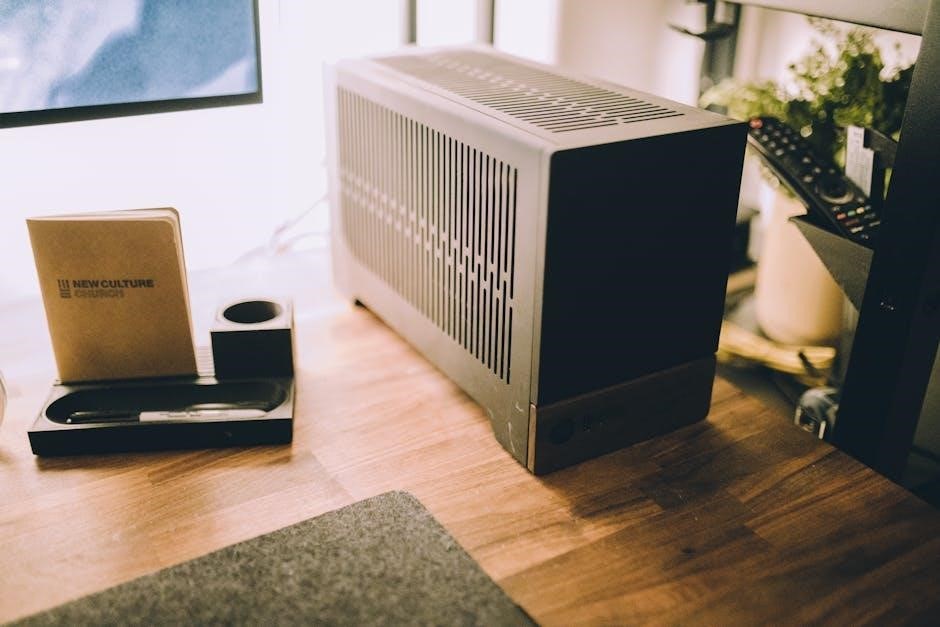
HPA series models are categorized by the room size they effectively serve – indicated by numbers like HPA100 (small rooms), HPA200 (medium rooms), and HPA300 (large rooms). Each unit features multiple fan speed settings, allowing for customized air cleaning.
Many HPA models also include an auto mode, which intelligently adjusts fan speed based on detected air quality. This series provides a balance of powerful filtration and user-friendly operation, making it a popular choice for improving indoor air quality.
Honeywell True HEPA Filter Models
Honeywell’s True HEPA filter models are designed for comprehensive air purification, targeting a wide range of airborne particles. True HEPA filters meet stringent standards, capturing 99.97% of particles 0.3 microns in size – including dust mites, mold spores, and some bacteria.
These models often incorporate multiple filter layers, including a pre-filter to capture larger particles, extending the life of the True HEPA filter. Activated carbon filters are frequently integrated to reduce odors and volatile organic compounds (VOCs).
Selecting the right True HEPA model depends on room size and specific air quality concerns. Consider models with higher Clean Air Delivery Rates (CADR) for larger spaces or more severe allergy symptoms. Regular filter replacement, as indicated by the unit, is crucial for maintaining optimal performance and clean air.
Honeywell Filter-Free Air Purifiers
Honeywell offers a selection of filter-free air purifiers utilizing advanced ionization technology, presenting an alternative to traditional filter-based systems. These models eliminate the ongoing expense and maintenance associated with filter replacements, appealing to users seeking a convenient solution.
Ionization works by releasing negative ions into the air, which attach to airborne particles, causing them to become heavier and fall out of circulation. While eliminating the need for filters, it’s important to understand that these purifiers operate differently than HEPA filters.
Regular cleaning of the collection blades is essential for optimal performance in filter-free models. These blades attract and capture the ionized particles. Consider these models if filter costs are a concern, but be aware of the different purification method and cleaning requirements.
Setting Up Your Honeywell Air Purifier
Proper setup ensures optimal performance and longevity of your Honeywell air purifier. Begin by carefully unboxing the unit and inspecting for any visible damage during shipping. Retain the packaging for potential future returns or servicing.
Locate the included quick start guide; it provides a visual overview of the initial steps. Position the air purifier on a level surface, ensuring adequate space around all sides for proper airflow – avoid placing it directly against walls or furniture.
Before powering on, familiarize yourself with the filter installation process (detailed in the following section). Correct filter placement is critical for effective air purification. Once the filter is securely installed, plug the unit into a grounded electrical outlet. Your Honeywell air purifier is now ready for basic operation!
Unboxing and Initial Inspection
Carefully unpack your new Honeywell air purifier, taking note of all included components. The box should contain the air purifier unit itself, at least one air filter (potentially pre-installed), and a quick start guide. Some models may include additional accessories like remote controls or filter reminder cards.
Thoroughly inspect the unit for any signs of shipping damage – dents, cracks, or loose parts. If damage is present, immediately contact the retailer or Honeywell customer support. Do not attempt to operate a damaged unit.
Verify that all protective packaging materials are removed from the air intake and exhaust vents. Retain the original packaging and all documentation for warranty purposes and potential future transport. A careful initial inspection ensures a smooth setup process and optimal performance from the start.
Filter Installation Guide
Proper filter installation is vital for your Honeywell air purifier’s effectiveness. Begin by locating the filter access panel, usually on the back or side of the unit. Consult your model’s quick start guide for specific panel location.
Remove the used filter (if present) by following the indicated release mechanism – often tabs or a simple lift-out design. Before installing the new filter, ensure it’s the correct type for your model (HEPA, carbon, or a combination).
Align the new filter with the designated slots and gently push it into place until it’s securely seated. Ensure a tight seal to prevent unfiltered air from bypassing the filter. Close and secure the filter access panel. Incorrect installation reduces purification efficiency, so double-check for a proper fit.
Powering On and Basic Operation
Initiating your Honeywell air purifier is straightforward. First, connect the power cord to a grounded electrical outlet. The power button, typically located on the control panel, activates the unit. Upon powering on, most models default to an automatic fan speed setting, adjusting based on detected air quality.
To manually adjust the fan speed, use the corresponding buttons on the control panel – options usually range from low to high. Observe the indicator lights to confirm your selected setting. For immediate purification, select a higher fan speed.
Familiarize yourself with the basic functions, such as the power indicator and any initial setup prompts. Remember, consistent operation is key to maintaining improved indoor air quality, especially during periods of high pollution or allergy seasons.
Understanding Control Panel Features
The Honeywell air purifier control panel is your central hub for operation. It typically includes buttons for power, fan speed, mode selection (Auto, Sleep), and filter reset. Indicator lights display the current settings and filter status.
Fan speed controls allow you to adjust the purification intensity, ranging from quiet, energy-saving modes to powerful settings for rapid cleaning. The ‘Auto’ mode intelligently adjusts fan speed based on detected air quality, optimizing performance and energy consumption.
Sleep mode minimizes noise and dims lights for undisturbed rest, while the timer function enables scheduled operation. Understanding these features empowers you to customize your air purification experience, ensuring optimal air quality and comfort within your home environment.
Fan Speed Settings Explained
Honeywell air purifiers offer multiple fan speed settings to cater to diverse needs. Typically, you’ll find options ranging from ‘Low’ to ‘High’, with intermediate speeds like ‘Medium’ and ‘Turbo’ or ‘Max’ available on some models.
Low speed provides near-silent operation, ideal for bedrooms during sleep or quiet activities. Medium speed balances purification with moderate noise, suitable for general use in living areas. High speed delivers maximum cleaning power, quickly removing pollutants and allergens – best for initial purification or heavily polluted environments.
Turbo or Max speed, when available, offers the most aggressive cleaning, though at a higher noise level. Selecting the appropriate speed ensures efficient air purification while minimizing disruption to your daily life, optimizing both air quality and comfort.
Auto Mode Functionality
Honeywell’s Auto Mode intelligently adjusts fan speed based on detected air quality. Utilizing built-in sensors, the purifier continuously monitors particulate matter (PM2.5) levels, responding to fluctuations in air pollution; When air quality is good, the fan speed automatically lowers, conserving energy and minimizing noise.
Conversely, when pollutants are detected – like those experienced during Delhi’s severe pollution events or Singapore’s haze – the fan speed increases, maximizing purification efficiency. This ‘set-it-and-forget-it’ feature provides consistent clean air without manual adjustments. Auto Mode is particularly beneficial for allergy sufferers, responding to pollen spikes during Oregon’s spring season.

The purifier displays the current air quality level, offering visual feedback on the effectiveness of the Auto Mode. It’s a convenient and efficient way to maintain optimal indoor air quality.
Sleep Mode and Timer Settings
Honeywell air purifiers offer a Sleep Mode designed for quiet operation during rest. This mode typically dims the control panel lights and operates at the lowest fan speed, minimizing disturbance. It’s ideal for bedrooms, ensuring a peaceful sleep environment while still maintaining air purification.
The Timer function allows for customized operation schedules. Users can set the purifier to run for a specific duration – for example, 2, 4, or 8 hours – before automatically shutting off. This feature conserves energy and provides control over purification timing, useful for managing air quality during specific periods.
Combining Sleep Mode with the Timer offers enhanced convenience. You can schedule the purifier to run quietly throughout the night and automatically turn off in the morning, contributing to better indoor air quality and a restful sleep, especially important during allergy seasons.
Filter Maintenance and Replacement
Maintaining your Honeywell air purifier’s filters is vital for optimal performance. Regular upkeep ensures clean air and extends the purifier’s lifespan. The unit features filter replacement indicators, alerting you when it’s time for a change – typically every 3-6 months, depending on usage and air quality.
Honeywell purifiers commonly utilize HEPA filters and activated carbon filters. HEPA filters capture airborne particles like dust, pollen, and pet dander, while activated carbon filters address odors and gases. Understanding the function of each filter type is key to selecting the correct replacements.
The pre-filter, a washable component, should be cleaned monthly. This removes larger particles, protecting the HEPA and carbon filters and prolonging their effectiveness. Simple vacuuming or gentle washing is sufficient. Consistent filter maintenance guarantees continued air purification and a healthier home environment.

Filter Replacement Indicators
Honeywell air purifiers are equipped with intelligent filter replacement indicators, designed to simplify maintenance and ensure peak performance. These indicators aren’t simply timers; they monitor actual air quality and filter usage, providing a more accurate assessment of when replacements are needed.
Typically, a “Filter Reset” or “Check Filter” light illuminates on the control panel when filter replacement is due. Some models feature separate indicators for the pre-filter, HEPA filter, and carbon filter, offering granular control over maintenance. Ignoring these signals can lead to reduced airflow and diminished purification effectiveness.
Resetting the indicator after replacement is crucial. Refer to your specific model’s instructions – usually involving pressing and holding a button on the control panel. Proper indicator management guarantees optimal air quality and extends the life of your Honeywell air purifier, safeguarding your indoor environment.
Types of Honeywell Filters (HEPA, Activated Carbon)
Honeywell air purifiers utilize a multi-stage filtration system, with HEPA and activated carbon filters playing pivotal roles. HEPA (High-Efficiency Particulate Air) filters capture at least 99.97% of airborne particles, including dust, pollen, pet dander, and mold spores – crucial for allergy sufferers, especially during Oregon’s spring season.
Activated carbon filters, conversely, target gases, odors, and volatile organic compounds (VOCs). These filters are particularly valuable in areas experiencing pollution, like Delhi, where toxic air is a significant concern. They effectively neutralize smells from cooking, smoke, and household chemicals.
Some Honeywell models combine both filter types into a single unit, while others utilize separate filters for targeted purification. Understanding the function of each filter type is essential for selecting the appropriate replacement and maintaining optimal air quality within your home.
Cleaning the Pre-Filter
Maintaining your Honeywell air purifier’s pre-filter is a simple yet vital step in ensuring optimal performance and extending the lifespan of other filters. The pre-filter captures larger particles like dust, hair, and pet fur, preventing them from clogging the HEPA and activated carbon filters.
Regular cleaning – typically every 2-3 weeks, depending on usage and air quality – involves removing the pre-filter and gently vacuuming it with a brush attachment. Avoid using water or detergents, as these can damage the filter material. A clean pre-filter significantly improves airflow and reduces strain on the unit.
Neglecting the pre-filter can lead to reduced airflow, forcing the purifier to work harder and potentially shortening the life of the more expensive filters. Consistent pre-filter maintenance contributes to cleaner air and a more efficient purification process, benefiting those sensitive to pollutants and allergens.
Troubleshooting Common Issues
Encountering issues with your Honeywell air purifier is often easily resolved. If the unit fails to power on, first check the power cord connection and ensure the outlet is functioning. Reduced airflow can indicate a clogged pre-filter – cleaning or replacing it is the initial step. Also, verify the filters haven’t reached their replacement interval.
Unusual noises during operation might signal a loose component or obstruction. Inspect the fan area for any debris. If the problem persists, contact Honeywell support. Addressing these common concerns promptly ensures continued efficient air purification.
Remember, consistent maintenance, including filter replacement and pre-filter cleaning, prevents many issues. Considering the increasing concerns about air quality, particularly in polluted areas like Delhi, proactive troubleshooting is essential for maintaining a healthy indoor environment.
Air Purifier Not Turning On
If your Honeywell air purifier isn’t powering on, several simple checks can resolve the issue. Begin by verifying the power cord is securely plugged into both the air purifier and a functioning wall outlet. Test the outlet with another device to confirm it’s delivering power. Inspect the power cord itself for any visible damage, such as cuts or fraying.
Next, ensure the unit’s power button has been firmly pressed. Some models have a separate power switch in addition to the button; confirm this is also in the ‘on’ position. If using a power strip, ensure the strip is switched on and functioning correctly.
Considering the increasing need for clean air, especially with pollution concerns highlighted in areas like Delhi, a non-functioning purifier is a significant issue. If these steps don’t resolve the problem, consult the full manual or contact Honeywell support.
Reduced Airflow Problems
Experiencing reduced airflow from your Honeywell air purifier indicates a potential blockage or filter issue. The most common cause is a dirty or clogged filter – particularly the pre-filter. Regularly cleaning or replacing the pre-filter, as outlined in the maintenance section, is crucial for optimal performance. A heavily soiled filter restricts airflow, diminishing the purifier’s effectiveness.
Inspect the filters (HEPA and activated carbon, if applicable) for excessive dust and debris. Replace them according to the recommended schedule. Ensure the filters are correctly installed, seated properly within the unit. Also, check the air intake and exhaust vents for obstructions, such as furniture or curtains.
Given the importance of clean air, especially during allergy seasons in places like Oregon, maintaining strong airflow is vital. If the problem persists after these checks, consult the full manual or contact Honeywell support for further assistance.
Unusual Noises During Operation
Hearing unusual noises from your Honeywell air purifier can be concerning. Common sounds include rattling, humming, or clicking. A rattling noise often indicates a loose component – carefully inspect the unit’s exterior and, if comfortable, internal parts (after unplugging!). Humming may be normal, especially at higher fan speeds, but excessive humming could signal a motor issue.
Clicking sounds frequently relate to the auto mode adjusting fan speeds or the timer engaging. However, persistent clicking warrants investigation. Ensure nothing is obstructing the fan blades. Given the air quality concerns in areas like Delhi, consistent operation is key, but not at the expense of safety.
If the noise is loud or disruptive, discontinue use and consult the troubleshooting section of the manual or contact Honeywell support. Do not attempt repairs yourself if you are not qualified.
Safety Precautions and Warnings
Prioritizing safety is paramount when operating your Honeywell air purifier. Always unplug the unit before cleaning or replacing filters to avoid electrical shock. Never operate the purifier with a damaged cord or plug. Keep the air intake and outlet clear of obstructions to ensure efficient airflow and prevent overheating.
Do not use the purifier in areas with flammable liquids or gases. This appliance is intended for indoor use only; avoid exposure to rain or excessive humidity. Ensure children and pets cannot easily access or tamper with the unit. Given concerns about air quality, like those experienced during haze in Singapore, consistent use is important, but never compromise safety.
Regularly inspect the power cord for damage. If any unusual smells or smoke are detected, immediately unplug the unit and contact Honeywell support.
Warranty Information and Support
Your Honeywell air purifier is backed by a limited warranty, protecting against defects in materials and workmanship. The warranty period varies by model, typically ranging from one to five years – please retain your proof of purchase for verification. The warranty does not cover damage resulting from misuse, accidents, or unauthorized repairs.
For warranty claims and support inquiries, visit the official Honeywell website or contact their customer service team. Online resources include FAQs, troubleshooting guides, and downloadable manuals. Given the increasing need for clean air, as highlighted by pollution concerns in Delhi, accessing support quickly is vital.
Honeywell provides a range of support options, including phone, email, and live chat. Registering your product online can streamline the support process. Detailed information regarding warranty terms and conditions can be found in the product documentation.
Air Quality Indicators and Their Meaning
Honeywell air purifiers often feature air quality indicators, providing real-time feedback on your indoor environment. These indicators typically use a color-coded system – green signifies good air quality, yellow indicates moderate levels of pollutants, and red signals poor air quality requiring increased purification.
Understanding these indicators is crucial, especially considering the impact of seasonal allergens, like those experienced during Oregon’s spring, and widespread pollution events, such as those in Delhi. The purifier automatically adjusts fan speed based on detected air quality, optimizing performance.
Some models display a particulate matter (PM) reading, measuring the concentration of airborne particles. Lower PM values indicate cleaner air. Regularly monitoring these indicators helps you proactively manage your indoor air quality and address potential issues, ensuring a healthier living space.