Welcome to the Jacuzzi J365 Owner’s Manual. This guide provides essential safety, setup, and maintenance instructions for your hot tub. Follow the steps closely to ensure optimal performance, longevity, and a relaxing experience.
Use this manual to troubleshoot, schedule maintenance, and enjoy relaxation.

Safety Precautions
Before operating the Jacuzzi J365, ensure the unit is on a level surface, keep it away from children, and never immerse your entire body. Disconnect power before maintenance, wear appropriate footwear, and check for leaks. Follow manufacturer instructions to avoid injury. Keep cover closed now.
Electrical Safety
Proper electrical installation and maintenance are critical for the safe operation of the Jacuzzi J365. Follow these guidelines to protect yourself, your family, and the equipment.
- Grounding: Ensure the unit is on a dedicated, grounded circuit. Check for leaks.
- Circuit Protection: Use a GFCI (Ground‑Fault Circuit Interrupter) outlet rated for wet environments. Replace the GFCI after each power outage or when it trips. nowsoon.
- Voltage: The J365 requires a 120 V or 240 V supply, depending on model. Confirm voltage matches spec sheet.
- Wiring: All wiring must be rated for wet locations (e.g., 600 V, 75 °C). Use conduit or armored cable to protect against moisture and corrosion.
- Disconnect Switch: Install a readily accessible disconnect switch near the unit. Turn it off before performing any maintenance or when the tub is not in use.
- Inspection: Inspect the wiring, outlets, and GFCI monthly. Look for frayed insulation, corrosion, or signs of water intrusion. Replace any damaged components immediately.
- Professional Service: Only licensed electricians may perform electrical work. Do not repair or modify the system yourself.
- Documentation: Keep a record of all electrical work, including electrician credentials, and inspection reports. This documentation is important for warranty claims and resale today!
User Responsibility
As the primary caretaker of your Jacuzzi J365, you must follow these duties to keep the system safe and efficient.
Daily: Check water level, clean the filter, remove debris. Keep pH 7.2‑7;8, alkalinity 80‑120 ppm, sanitizer 3‑5 ppm. Log all chemical changes.
Weekly: Flush filter cartridge, clean skimmer basket, rinse jets. Inspect cover seal and replace if cracked. Verify thermostat and gauge readings.
Monthly: Test hardness, adjust calcium to 200‑400 ppm. Inspect drain valve for leaks and tighten electrical connections.
Seasonal: When idle, drain to recommended level, add antifreeze, cover securely. Store chemicals in a cool, dry place.

Safety: Check GFCI, disconnect switch, grounding monthly. Report faults to a technician.
Documentation: Keep receipts, warranty cards, service logs. Update after each visit. Essential for warranty claims;
Following these steps protects your investment and ensures a safe, relaxing experience.
Always keep the tub covered when not in use to prevent contamination and reduce evaporation. Check the cover seal for damage and replace it every 2 years. Use a cover lock to secure the tub during holidays.
Use a water testing kit every 3 months to monitor chlorine, pH, and alkalinity levels. Adjust chemicals accordingly to maintain optimal water quality and prevent scale buildup. Keep.
System Overview
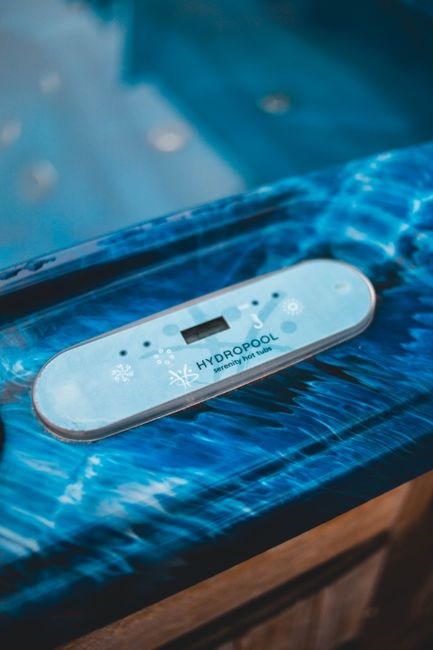
The Jacuzzi J365 features a 3‑stage filtration system, a high‑eff heat exchanger, and a smart control panel. Water circulates through a 4‑foot filter, a 15‑amp heater, and a 3‑way valve, ensuring consistent temperature and clarity. Maintenance is simple with replaceable cartridges and diagnostics quick!.
Water Circulation
The Jacuzzi J365’s circulation system is engineered for optimal water flow and hygiene. A 3‑stage filtration loop begins with a 4‑foot cartridge filter that removes debris and particles. The water then passes through a 15‑amp heater, maintaining a comfortable temperature range of 100°F to 104°F. Finally, a 3‑way valve directs flow to the jets, ensuring even distribution.
Key components include a variable speed pump, a recirculation pump, and a bypass valve. The variable speed pump adjusts flow rates to match user preferences, reducing energy consumption during low‑usage periods. The recirculation pump keeps water moving continuously, preventing stagnation and promoting clarity. The bypass valve allows maintenance or filter changes without draining the tub.
To monitor circulation, the control panel displays flow rate, filter status, and temperature. If the flow drops below 200 gallons per hour, the system will alert you to check for clogs or pump issues. Regularly inspect the filter cartridge and replace it every 6–12 months, depending on usage. Clean the jets with a soft brush to avoid mineral buildup, which can impede circulation.
Flow rates range 200–400 gallons per hour, adjustable by pump speed. The 1.5‑hp pump delivers 3,000 rpm, ensuring effecient circulation while minimizing nois. In low‑usage mode, the pump slows to 1,200 rpm, extending motor life and saving energy. Check the pressure gauge; a drop below 30 psi indicates a blockage or worn filter cartridgedaily check.
Heating System
The Jacuzzi J365’s heating system is a 15‑amp, 3‑stage electric heater designed for quick, efficient temperature control. It uses a thermostatic control panel that allows users to set a desired temperature between 100°F and 104°F. The heater is integrated with a variable‑speed pump that adjusts flow to maintain consistent heat distribution while minimizing energy consumption. When the thermostat detects a drop in temperature, the heater automatically activates, heating the water to the set point within 30 minutes under normal conditions. The system includes a built‑in safety cut‑off that shuts the heater down if the water temperature exceeds 110°F, preventing overheating and protecting the tub’s components. Regular maintenance involves checking the heater’s wiring, inspecting for corrosion, and cleaning the heat exchanger to ensure optimal performance. A yearly inspection by a qualified technician is recommended to verify that the thermostat, heater, and safety cut‑off function correctly. If the heater fails to activate or the temperature remains below the set point, the control panel will display an error code (e.g., H01). Refer to the troubleshooting section for detailed error code meanings and recommended corrective actions. Proper insulation of the heater’s electrical connections and the use of a dedicated circuit breaker rated at 20 amps are essential for safety and compliance with local electrical codes. By following these guidelines, users can enjoy reliable heating while ensuring the longevity of the Jacuzzi J365’s heating system
Filtration System
The Jacuzzi J365 features a dual‑stage filtration system that combines a 3‑stage cartridge filter with a UV sterilizer to keep water crystal‑clear and hygienic. The cartridge filter is located in the sidewall and is rated for 3,000 gallons per hour. It captures particles as small as 5 µm, removing debris, oils, and skin cells. The UV unit, positioned in the return line, emits 254 nm light that destroys bacteria, viruses, and algae spores, reducing chemical usage by up to 30 %. The system is controlled by an integrated filter timer that cycles the filter on for 30 minutes every hour during peak usage, ensuring continuous circulation. Users can manually override the timer via the control panel, selecting “Filter On” or “Filter Off” as needed. Maintenance involves inspecting the cartridge for clogging and replacing it every 6–12 months, depending on usage. The UV bulb should be replaced annually; a low‑intensity warning light on the panel will alert you when replacement is due. To clean the filter housing, disconnect the water supply, remove the cartridge, and rinse it under running water. Do not use harsh chemicals that could damage the filter media. The UV chamber should be cleaned with a soft brush and mild detergent, then rinsed thoroughly. Proper operation of the filtration system extends the life of the heater and reduces the need for chemical shock treatments. For troubleshooting, check for error codes such as F01 (filter clogged) or F02 (UV bulb failure). Refer to the troubleshooting guide for detailed solutions. Regular inspection and timely replacement of filter media and UV bulbs are essential for maintaining water clarity, preventing scale buildup, and ensuring the overall health of the Jacuzzi J365. The filtration system also includes a built‑in ozone generator that further sanitizes the water by producing ozone molecules. The ozone level is automatically regulated by a sensor that ensures optimal disinfection while preventing excess ozone buildup. Users should check the ozone indicator light regularly; a green light indicates proper operation, while a red light signals a malfunction requiring service. The ozone generator is powered by the same 20‑amp circuit as the heater, so it is essential to keep the circuit breaker in good condition. In addition, the J365’s filtration system features a smart monitoring module that logs filter usage and UV bulb life. This data can be accessed via the control panel or a mobile app, allowing owners to schedule maintenance proactively. The system’s design also incorporates a secondary filter cartridge that can be swapped out during high‑traffic periods to maintain water clarity. By combining mechanical filtration, UV sterilization, ozone disinfection, and smart monitoring, the Jacuzzi J365 delivers a consistently clean and safe bathing experience.

Installation Guide
Place the Jacuzzi J365 on a level surface with 12‑inch clearance from walls. Connect the 20‑amp power supply, attach water inlet and outlet hoses to the filter unit, secure the cartridge, and fill the tub to the marked level; Turn on the main switch, prime the pump, and run a 30‑minute cycle before first use. Check all connections, ensure no leaks, and let the system circulate for 10 minutes before adding chemicals. Verify filter operation and heater temperature promptly!
Site Preparation
Before installing your Jacuzzi J365, ensure the location meets the manufacturer’s specifications. The tub requires a concrete or deck slab with a 4‑inch thick, level surface and a 12‑inch clearance on all sides. The area must support a minimum of 10,000 pounds of weight. Verify that the electrical supply is a dedicated 20‑amp circuit with a GFCI outlet. Install a drainage system that directs water away from foundations. Position the tub so the filter unit sits on a stable platform and the water inlet and outlet are aligned. Check that the surrounding area is free of debris and that the floor is dry and clean. Use a level to confirm the base is perfectly horizontal. Mark the water line on the tub’s side panel to avoid overfilling. Secure the tub with anchor bolts or a mounting system as recommended in the installation guide. Finally, inspect all fittings for tightness and ensure the area is protected from direct sunlight or extreme temperatures that could affect the tub’s performance. Ensure the tub’s base is level by using a spirit level and adjusting the mounting brackets as needed. Verify that the filter cartridge is correctly seated and that the circulation pump runs smoothly during the initial fill cycle. After the tub is filled, run the heater for 30 minutes to reach the desired temperature, then allow the water to circulate for an additional 15 minutes before use. Finally, record the installation date and any initial observations in the maintenance log for future reference. Keep the tub covered. daily.

Electrical Connections
Before connecting the Jacuzzi J365 to power, verify that the electrical supply meets the manufacturer’s requirements: a dedicated 120‑volt, 20‑amp circuit with a GFCI outlet. The tub’s wiring harness must be connected to the circuit using the supplied conduit, ensuring all connections are tight and insulated. First, turn off the main breaker and confirm the voltage is zero with a multimeter. Next, attach the J365’s power cord to the GFCI outlet, making sure the polarity is correct; the live (black) wire should connect to the line terminal, and the neutral (white) wire to the neutral terminal. Ground the tub by connecting the green or bare copper wire to the grounding screw on the tub’s frame. Use wire nuts rated for outdoor use secure nuts with tape to prevent moisture ingress. After wiring, restore power and test the GFCI; the outlet should trip, cutting power to the tub. Verify that the heater, circulation pump, and filter unit all receive power by checking their indicator lights. If any lights are off, double‑check the connections and ensure the circuit breaker is not tripped. Finally, document the installation by recording the breaker number, outlet location, and any notes about the wiring configuration. This documentation will aid future maintenance and troubleshooting. Keep the area around the outlet dry and free of debris to maintain safety and compliance with local electrical codes. Ensure the tub’s electrical panel is labeled and that all connections are accessible for inspection. All connections tight. By following these steps, you guarantee a safe and reliable electrical setup for your Jacuzzi J365.

Final Setup
After completing the site preparation and electrical connections, the Jacuzzi J365 is ready for its final configuration. Begin by filling the tub with water to the recommended level, ensuring the water is at least 70 °F (21 °C) before turning on the circulation pump. The pump should run for 15 minutes to circulate the water and eliminate any air pockets. During this cycle, check the pressure gauge; it should read between 30 and 35 psi. If the gauge falls below 30 psi, add more water to the supply line until the pressure stabilizes.

Next, activate the heating element. Set the thermostat to the desired temperature, typically 104 °F (40 °C) for a comfortable soak. Allow the heater to run for 30 minutes, monitoring the temperature gauge to confirm it reaches the target. Once the desired temperature is achieved, switch the heater to “auto” mode to maintain consistent warmth.
Install the filtration cartridge by opening the filter housing, inserting the cartridge, and securing the cover. Run the filter for 10 minutes to ensure proper flow. Inspect the water for clarity; it should be clear and free of debris. If the water appears cloudy, clean the cartridge or replace it according to the manufacturer’s schedule.
Configure the control panel by selecting the desired lighting and massage settings. Test each function—jets, lights, and sound system—to confirm responsiveness. Adjust the jet pressure to a comfortable level, typically 4–6 on the control dial. Verify that the safety lock is engaged to prevent accidental operation while in use.

Finally, perform a safety check: ensure all covers are secure, the GFCI is functioning, and the tub’s water level remains stable. Record the installation date and any notes in the maintenance log. The Jacuzzi J365 is now fully operational and ready for use. Enjoy a relaxing, safe, and rejuvenating experience.

Maintenance & Troubleshooting
Regular maintenance keeps the Jacuzzi J365 running and daily maintenance now, extending its life. Perform tasks: check water chemistry, clean the filter cartridge, and inspect jets for debris. Use a pH‑adjusting solution to keep pH between 7.2 and 7.8, and sanitizer between 3.0 and 5.0 ppm. Prevent buildup and protect the heater.
Monthly, drain and refill the tub to remove minerals. Flush the circulation system with solution, replace the filter cartridge if it shows wear or water flow drops below 60 % of normal. Inspect heater elements for corrosion; if discoloration appears, replace the element per the manufacturer’s guidelines.
For troubleshooting, start with the issues: a noisy pump indicates air in the line, run the pump for 10 minutes to purge air. A jet may be caused by a clogged nozzle; remove the nozzle, rinse with water, and reinsert. If the control panel displays an error code, consult the code list in the manual and reset the system by powering off for 30 seconds.
Electrical problems such as a tripped GFCI or blown fuse should be addressed. Verify that the power supply matches the specified voltage and that the GFCI is not. If the heater fails to activate, check the thermostat wiring and ensure the temperature setting is within the range. Persistent issues warrant professional service.
Keep a maintenance log to track dates of water changes, filter replacements, repairs. documentation helps identify patterns and prevents breakdowns. By following these guidelines, you’ll enjoy a clean, Jacuzzi experience.!