Dental surgical guide coding centers on CDT D6190‚ a radiographic/surgical implant index. It documents the guide’s use for accurate implant placement‚ ensuring safety near critical structures. Proper coding and documentation are vital for reimbursement and compliance. Accurate coding speeds pay!.
Definition and Clinical Relevance

In dental practice‚ a surgical guide is a custom‑fabricated template that directs implant placement with precision. The guide is created from diagnostic imaging‚ such as CBCT scans‚ and is used intra‑operatively to protect vital structures like the inferior alveolar nerve and to ensure optimal implant angulation‚ depth‚ and position. The CDT code D6190‚ “Radiographic/Surgical Implant Index‚” specifically captures the use of this guide. Clinically‚ the guide reduces surgical time‚ minimizes bone loss‚ and enhances predictability‚ leading to higher success rates and fewer complications. It also facilitates communication among multidisciplinary teams‚ including surgeons‚ prosthodontists‚ and radiologists‚ by providing a shared reference for the planned implant trajectory. For patients‚ the use of a surgical guide translates into less postoperative discomfort‚ reduced risk of nerve injury‚ and improved long‑term prosthetic outcomes. In summary‚ the guide is a critical tool that bridges diagnostic imaging and surgical execution‚ ensuring both safety and efficacy in implant dentistry.
The surgical guide also serves as a teaching tool for residents and students‚ illustrating spatial relationships between bone‚ teeth‚ and vital structures. Clinicians can anticipate complications and plan adjunctive procedures such as bone grafting or nerve repositioning. Documentation of the guide’s design and use supports audit trails and quality metrics‚ ensuring transparency and continuous improvement in implant practice
Regulatory Context: CDT and CPT Codes
The coding framework for surgical guides is governed by the Current Dental Terminology (CDT) and the Current Procedural Terminology (CPT). The primary CDT code for a surgical guide is D6190‚ which represents a radiographic or surgical implant index. D6190 is used to document the creation and application of a guide that assists in precise implant placement. In addition to D6190‚ the implant placement procedure itself is coded with D6010‚ which indicates that the implant was placed using a surgical guide. When an implant is removed‚ CPT codes 20670 (removal of implant; superficial) or 20671 (removal of implant; deep) are used‚ depending on the depth of removal. These CPT codes are essential for billing the surgical component of implant therapy. Modifiers such as 59 (distinct procedural service) or 51 (multiple procedures) may be appended to indicate that the guide was a distinct service or that multiple procedures were performed during the same session. The use of HCPCS Level II codes is common for supplemental services‚ such as the delivery of a custom guide (e.g.‚ G0100). Accurate selection of CDT and CPT codes‚ along with appropriate modifiers‚ ensures compliance with payer policies maximizes reimbursement potential. Documentation must include imaging reports‚ guide design files‚ and operative notes that reference the specific codes used. Failure to align coding with regulatory standards can result in claim denials‚ audits‚ or penalties. Therefore‚ clinicians must stay current with updates to CDT‚ CPT‚ and payer guidelines to maintain accurate billing practices for surgical guides.
Primary Dental Codes for Surgical Guides
D6190 is the CDT code for a radiographic/surgical implant index‚ documenting the surgical guide used to plan implant placement. D6010 records the actual implant placement performed with a guide. CPT 20670 and 20671 cover implant removal‚ ensuring comprehensive billing for all surgical stages.!!!
CDT Code D6190 – Radiographic/Surgical Implant Index

D6190 is the definitive CDT code for a radiographic/surgical implant index‚ capturing the creation and use of a surgical guide that directs precise implant placement. This code is essential for documenting the preoperative planning phase‚ where CBCT scans‚ implant dimensions‚ and anatomical landmarks are integrated into a custom guide. The guide ensures that the implant trajectory avoids critical structures such as the inferior alveolar nerve‚ maxillary sinus‚ and adjacent teeth. When coding D6190‚ the provider must submit a detailed narrative that includes the type of guide (static or dynamic)‚ the imaging modality used‚ and the specific implant system. Accurate documentation supports the claim for reimbursement and demonstrates compliance with payer policies. D6190 is often paired with D6010‚ which codes the actual implant placement performed with the guide. Together‚ these codes provide a comprehensive billing pathway from planning to execution. Payers may require evidence of the guide’s fabrication‚ such as a 3‑D print file or a surgical template‚ to validate the claim. Additionally‚ the provider should verify that the patient’s insurance plan covers D6190‚ as coverage varies among payers. Failure to verify benefits can result in denied claims or delayed payments. In practice‚ the coding process begins with a thorough chart review‚ followed by the selection of D6190 and any applicable modifiers. The claim is then transmitted via CMS 1500 or electronic formats‚ ensuring that the surgical guide’s role in the treatment plan is clearly articulated. Proper use of D6190 not only facilitates accurate reimbursement but also promotes high standards of patient safety and treatment outcomes. The code’s significance extends beyond billing; it also informs clinical audits and quality metrics‚ allowing practices to demonstrate adherence to evidence‑based protocols. By consistently coding D6190‚ clinicians contribute to a data set that can be analyzed for procedural success rates and complication frequencies‚ ultimately guiding improvements in implantology education and patient care. Moreover‚ interdisciplinary collaboration—between surgeons‚ prosthodontists‚ and radiologists—relies on the clarity that D6190 provides. When a surgical guide is employed‚ the entire care team can reference the same imaging and planning documents‚ reducing miscommunication and enhancing procedural efficiency. This shared understanding is reflected in the billing narrative‚ which should explicitly state the collaborative nature of the treatment plan.
CDT Code D6010 – Implant Placement with Surgical Guide
D6010 is the CDT code that captures the actual placement of an implant performed using a pre‑fabricated surgical guide. The code applies when the guide‚ previously documented under D6190‚ directs the drill trajectory‚ depth‚ and angulation‚ ensuring the implant lands in the optimal bone volume while avoiding critical structures. Accurate coding requires that the chart reflect the use of the guide‚ the implant system‚ and the surgical procedure details. Providers must document the guide’s fabrication‚ the CBCT or intraoral scan used‚ and the implant dimensions. The claim should include a narrative that the guide was utilized intraoperatively and that the implant was placed according to the pre‑operative plan. Payers often require evidence of the guide’s use‚ such as a surgical template or a 3‑D print file‚ to approve D6010. Verification of benefits can be essential because coverage can vary; some plans reimburse only if the guide is used for complex cases or when the implant is placed in a region with limited bone height. Modifiers may be needed to indicate the use of a surgical guide‚ such as modifier 59 for distinct procedural services. When filing‚ the claim should be accompanied by the D6190 code for the guide and any applicable CPT codes for the surgical procedure. Proper documentation and coding of D6010 not only support reimbursement but also demonstrate adherence to evidence‑based implantology protocols‚ improving patient safety and clinical outcomes. Accurate documentation ensures compliance for patient care.
CPT Codes 20670 & 20671 – Implant Removal
20670 denotes removal of a dental implant that is superficial‚ typically when the implant is exposed or partially exposed and can be removed without extensive bone work. 20671 covers removal of a fully osseointegrated implant that requires removal of the implant body and associated bone‚ often involving a surgical approach. When a surgical guide is used to locate the implant for removal‚ the guide is documented under D6190 and the removal code reflects the surgical complexity. Payers often require a detailed operative report that specifies the implant’s location‚ the use of a guide‚ and the removal technique. Modifiers such as 59 (distinct procedural service) or 51 (multiple procedures) may be added to differentiate the removal from other concurrent procedures. Accurate coding of 20670 or 20671 ensures compliance with CMS and private payer guidelines‚ reduces claim denials‚ and supports proper reimbursement for the surgical effort and materials used. Documentation should include the implant’s dimensions‚ the surgical approach‚ the use of a guide‚ and any bone grafting or adjunctive procedures performed during removal. Proper coding also facilitates audit readiness and demonstrates adherence to best practices in implant maintenance and removal. This coding approach aligns with the latest CMS guidelines‚ ensuring that each surgical removal is accurately documented‚ billed‚ and justified‚ thereby minimizing denials and maximizing reimbursement efficiency.

Insurance Coverage and Verification
Verify coverage for D6190 before treatment. Not all plans cover this code; check benefits‚ limitations‚ and exclusions. Accurate CDT coding and thorough documentation are essential for reimbursement and compliance. Ask payer for pre‑authorization.Check
Benefit Verification for D6190
Before proceeding with a surgical guide‚ confirm that the patient’s plan recognizes CDT D6190 as a covered service. Contact the insurer’s member services or use the online portal to request a benefit statement. Verify the following details:
- Coverage status: paid‚ partially paid‚ or excluded.
- Allowed amount and any deductible or out‑of‑pocket limits.
- Pre‑authorization requirement and the required documentation.
- Any specific clinical criteria that must be met for reimbursement.
Document the verification process in the chart‚ noting the date‚ payer name‚ and the representative’s contact information. Include the payer’s reference number on the claim to avoid delays. If the plan excludes D6190‚ discuss alternative coding options or appeal procedures. Accurate documentation and timely verification reduce claim denials and ensure compliance with payer policies.
When the insurer denies coverage‚ appeal the decision by submitting a detailed medical necessity letter‚ including radiographs‚ surgical plan‚ and a narrative that links the guide to implant safety. Attach the original D6190 claim and any supporting documentation. Track the appeal status and follow up within 30 days to expedite resolution.
Maintain a verification log in the electronic health record‚ noting payer responses‚ dates‚ and any follow‑up actions. This log supports audit readiness and helps identify patterns of denied D6190 claims‚ allowing prompt adjustments to coding or documentation practices.
Common Payer Exclusions and Limitations
Many payers treat D6190 as a non‑covered or non‑reimbursable service unless it is explicitly listed in the plan’s local coverage determination. Common exclusions include: (1) absence of a documented implant plan; (2) failure to provide a pre‑authorization or medical necessity letter; (3) use of the guide for non‑implant procedures; (4) lack of radiographic evidence supporting the need for a guide; and (5) claims submitted without the required CPT modifier (e.g.‚ 59 for distinct procedural services). Limitations often involve a cap on the number of guides per treatment episode‚ a maximum dollar amount per claim‚ or a requirement that the guide be used in conjunction with a specific implant placement code (e.g.‚ D6010). Payers may also impose a “first‑time” only rule‚ disallowing repeat guide claims within the same treatment period. To mitigate these limitations‚ providers should: (a) verify the plan’s LCD or policy language; (b) document the clinical justification in the operative note; (c) attach the pre‑authorization number; and (d) use the correct modifier and HCPCS code if applicable. Failure to comply with these requirements typically results in denial or partial payment.
Payers often require a detailed implant treatment plan‚ including bone density analysis‚ to justify the guide. Documentation of pre‑operative imaging‚ such as CBCT scans‚ and a written surgical protocol are mandatory. Fail to provide these details can trigger a denial!

Billing Process for Surgical Guide Claims
Submit D6190 on CMS 1500 with modifier 59 if distinct. Attach pre‑auth‚ imaging‚ and implant plan. Use CPT 20670/20671 for removal. Verify payer LCD‚ include ICD‑10 codes‚ and follow HCPCS guidelines.Accurate documentation ensures timely reimbursement

CMS 1500 Form Submission
The CMS 1500 form is the standard claim submission for dental services‚ including surgical guide coding. When filing a claim for D6190‚ the provider must complete the form with accurate patient identifiers‚ payer information‚ and the correct CPT or CDT code in the appropriate field. The form requires the inclusion of the patient’s date of birth‚ insurance policy number‚ and the provider’s National Provider Identifier (NPI). In addition‚ the claim must list the specific diagnosis codes (ICD‑10‑CM) that justify the use of a surgical guide‚ such as implant failure or bone loss. The provider should attach supporting documentation‚ including pre‑operative imaging‚ surgical plan‚ and a detailed operative report. The form’s “Procedure Code” line should contain D6190‚ and if a modifier is needed (e.g.‚ 59 for distinct procedural service)‚ it must be entered in the modifier field. The “Total Charge” field should reflect the actual cost of the surgical guide and any related services. After completing the form‚ the provider should verify that the payer’s Local Coverage Determination (LCD) allows reimbursement for D6190 and that the claim meets all payer‑specific requirements. The completed CMS 1500 can be submitted electronically via the National Provider Identifier (NPI) portal or faxed to the payer’s designated address; Timely submission and thorough documentation reduce the risk of claim denial and accelerate payment. Confirm the claim is filed within the payer’s 90‑day window to avoid denial.
Appropriate Modifiers and HCPCS Codes
Payers may require modifier 51 for procedures‚ or modifier 59 to separate the guide from implant placement when billed separately. Some insurers accept HCPCS code G0460 for a guide. Documentation should include the guide’s dimensions‚ surgical plan‚ and implant location to support modifier usage and HCPCS code selection. and prior auth.
Case Example: Mandibular Molars with Inferior Alveolar Nerve

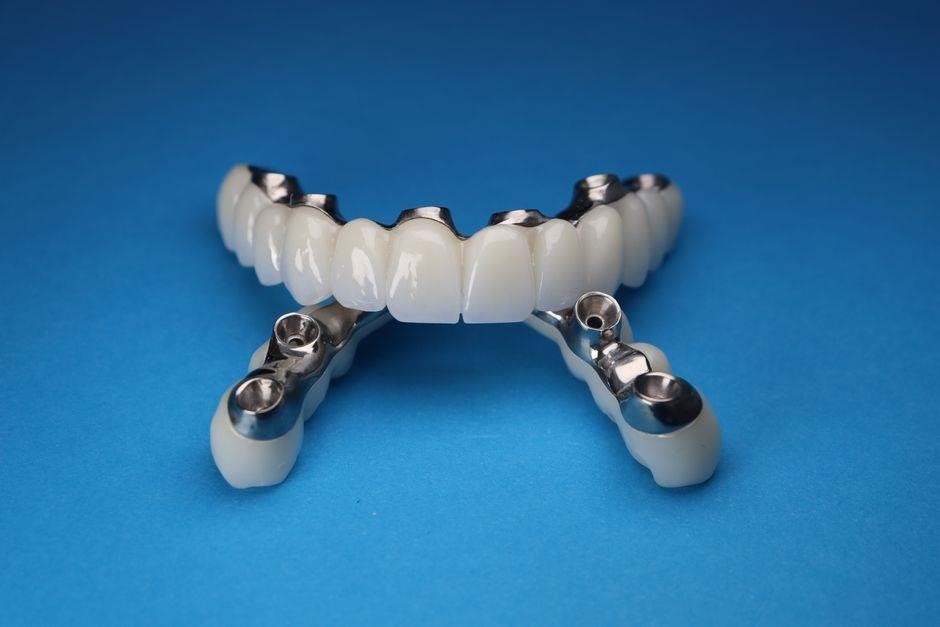
Patient needs two mandibular molar implants; Proximity to the inferior alveolar nerve needs a surgical guide (D6190). Implant placement coded D6010. Docs confirm nerve risk.!!
Clinical Justification for Surgical Guide
In the mandibular molar region‚ the inferior alveolar nerve runs close to the implant site. Limited bone height and proximity to the nerve increase the risk of nerve injury during implant placement. A surgical guide (CDT D6190) is essential to map the exact implant trajectory‚ ensuring the implant is placed at the correct depth and angulation. The guide is fabricated from pre‑operative CBCT data‚ providing a three‑dimensional roadmap that aligns with the patient’s anatomy. This precision reduces the likelihood of nerve damage‚ minimizes postoperative complications‚ and improves implant success rates. Documentation of the guide’s use‚ including CBCT images‚ surgical plan‚ and the specific D6190 code‚ supports the necessity of the procedure for payer approval and compliance with regulatory standards. Accurate coding and thorough justification are critical for successful reimbursement and adherence to the CDT and CPT coding guidelines. The surgical guide’s role is to translate imaging data into a tangible tool that guides the surgeon‚ thereby enhancing patient safety and procedural outcomes.Additional considerations include the use of advanced imaging modalities‚ such as cone-beam computed tomography‚ to enhance guide accuracy‚ and the integration of patient-specific anatomical data to customize the guide design. These factors collectively contribute to optimal implant placement and long-term success.This approach aligns with practice standards.
Code Selection and Claim Outcome
The claim process begins with accurate code selection. For a surgical guide‚ the primary CDT code is D6190‚ which documents the radiographic and surgical implant index. When the guide is used to place an implant‚ the provider should also bill D6010 for the implant placement procedure. If an implant is subsequently removed‚ CPT codes 20670 (superficial removal) or 20671 (deep removal) are appropriate. Modifiers such as 25 (significant‚ separately identifiable service) or 59 (distinct procedural service) may be added when the guide and placement are distinct services performed on the same day. The payer’s local coverage determination (LCD) for D6190 often requires a detailed surgical plan‚ pre‑operative CBCT images‚ and a description of the nerve risk. Including these elements in the claim supports the medical necessity argument. After submission on a CMS 1500 form‚ the claim typically receives a 90‑day adjudication. Successful claims result in payment of the full D6190 fee‚ the D6010 fee‚ and any applicable CPT removal fees‚ minus the patient’s deductible and coinsurance. Denials are most commonly due to missing documentation or failure to meet the payer’s specific criteria for surgical guide use. Providers should audit denied claims‚ correct documentation gaps‚ and resubmit to achieve full reimbursement. Integrating D6190 and D6010 with detailed CBCT imaging and documentation not only satisfies payer criteria but also enhances patient safety‚ clinical outcomes‚ and practice efficiency. now